Cinematography // Lens Geometry
Study the Composition
A scene is not merely where an actor stands; it is what the lens includes, excludes, and bends. Cinematographers manipulate field of view, shutter angle, and contrast ratios to transform brick-and-mortar reality into emotional weight.
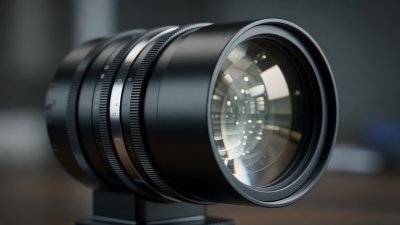
Camera Equipment — Panavision C-Series Optic
Anamorphic Squeeze & Flare
In Steven Spielberg’s Raiders of the Lost Ark (1981), Douglas Slocombe utilized Panavision anamorphic prime lenses. By squeezing horizontal coordinates onto standard 35mm film stock, the lens produced horizontal streak flares and oval bokeh, imbuing Egyptian desert locations with golden warmth.
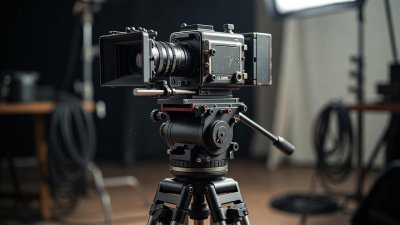
Camera Equipment — Arriflex 535 Production Setup
Deep Focus Architecture
Orson Welles and Gregg Toland rewrote location spatial dynamics in Citizen Kane (1941). By stopping down lenses to f/8 or f/16 and deploying arc lamps, they maintained sharpness from two feet in the foreground to architectural details fifty feet in the background.
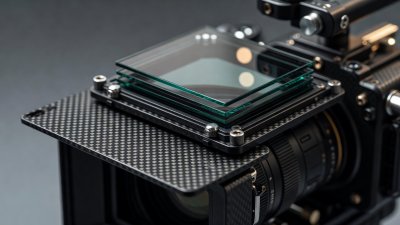
Camera Equipment — 4x5.65 Graduated Neutral Density Filter
Controlling Sky Luminance
When David Lean shot A Passage to India (1984), DP Ernest Day utilized graduated neutral density filters inside the matte box to prevent bright Indian skies from blowing out to white while keeping shadow detail legible in Victorian colonial costumes.